
|
|
The Beginnings of a Fur Trade |
|
|
|
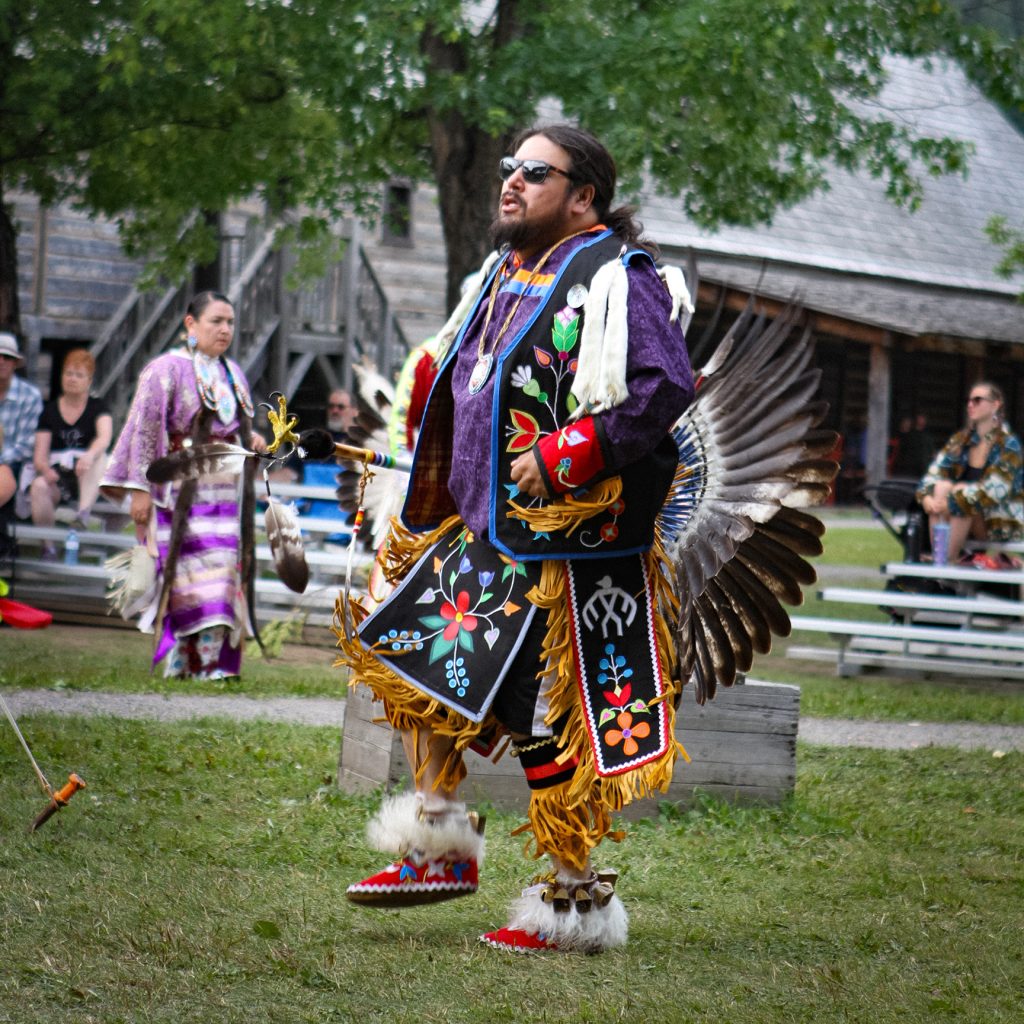
Before the coming of Europeans, trading networks among the original inhabitants of the continent led to exchanges of material goods, cultures and languages. The evidence pointing to these trading networks is considerable. Flint from a few quarries is found throughout the continent. Copper from the Coppermine River and Lake Superior regions
|
|
Read more...
|
|
|
Class Structure of the North West Company circa 1815 |
|
|
|
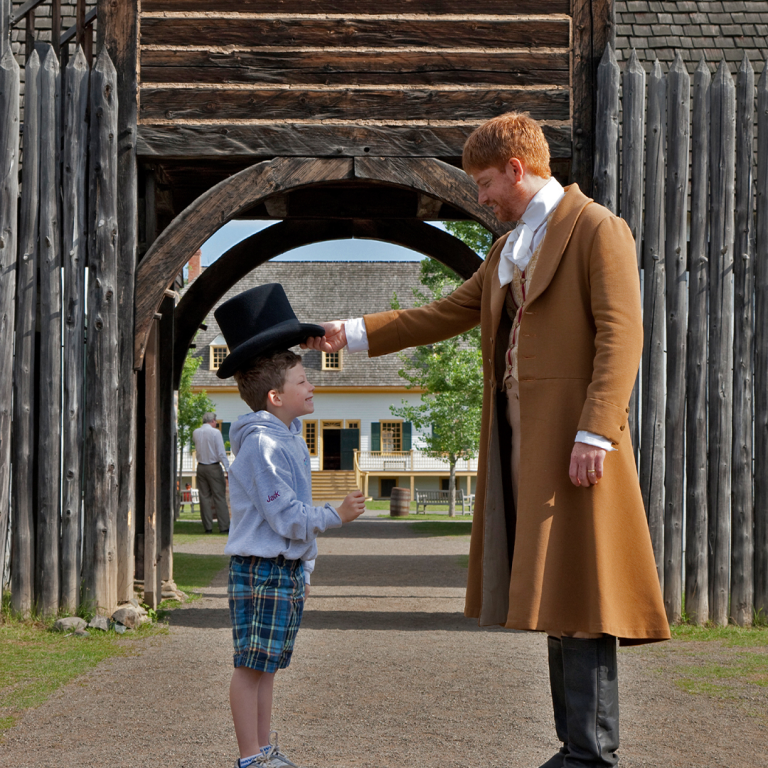
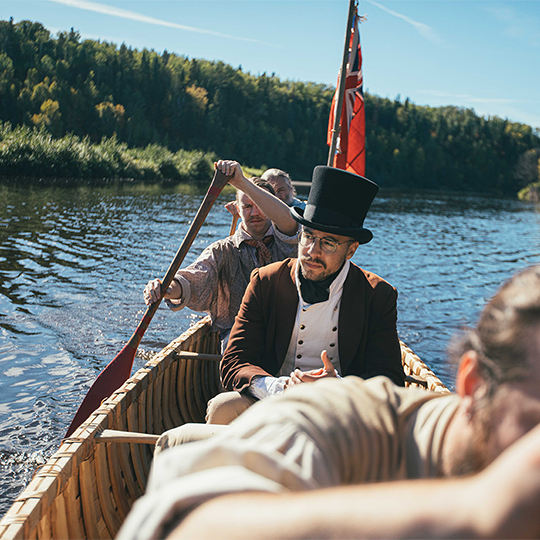
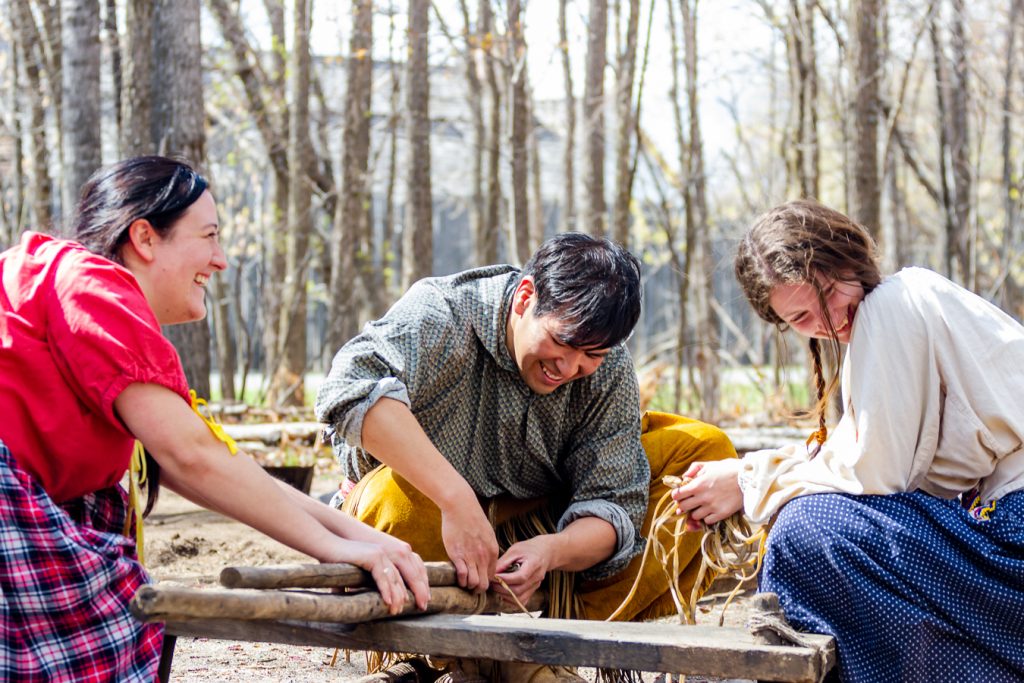
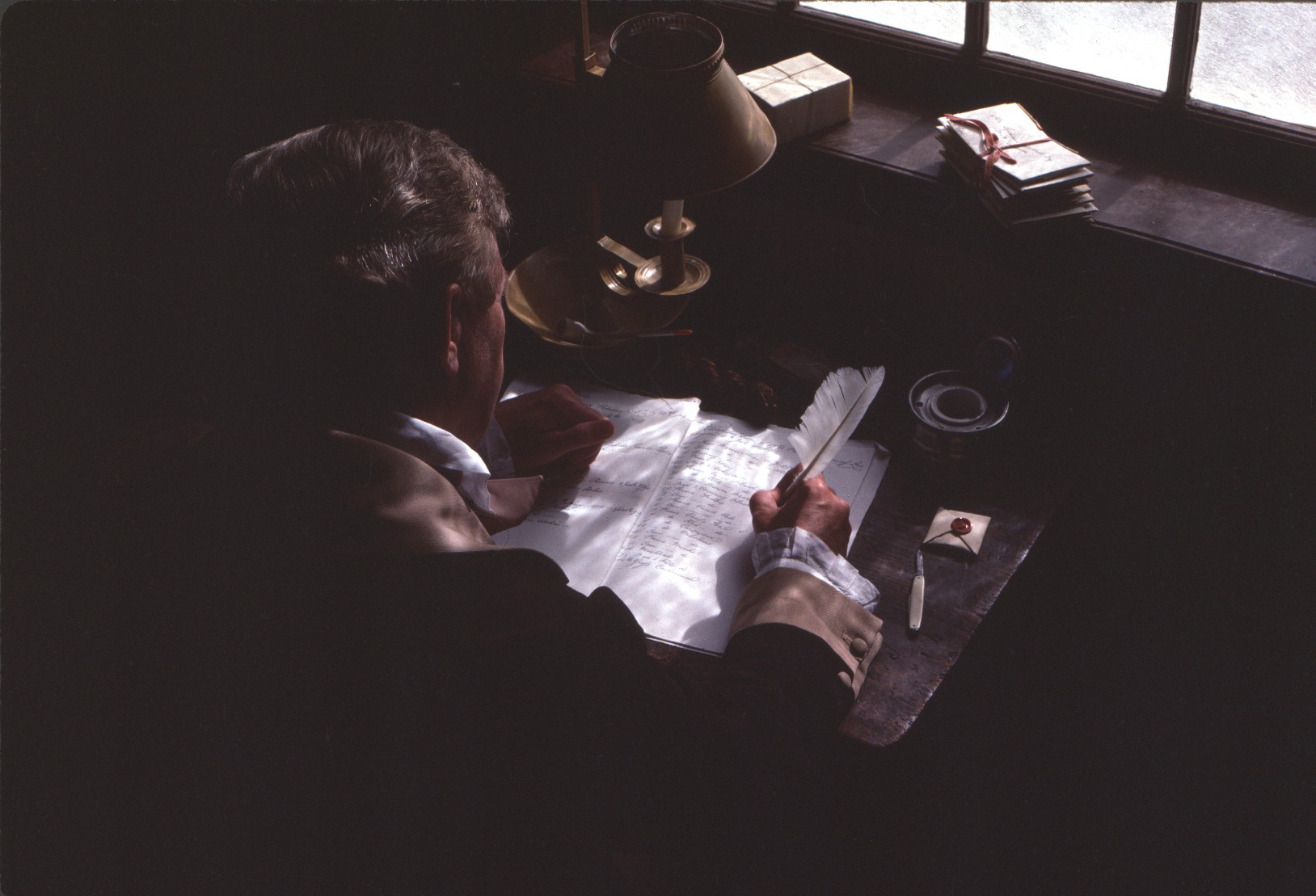
The North West Company was organized along class lines, making a distinction between labourers and gentlemen. The labourers carried out most of the physical work, while the gentlemen managed the affairs of the company In fur trade terms, the labourers paddled and portaged canoes, built and maintained trading posts, and produced items for the trade. The gentlemen were the fur traders and bookkeepers of the concern.
Also in fur trade terms, the labourers were called engagés, a term that makes reference to the contracts or "engagements" signed by all company engagé. The gentlemen were often called the bourgeois, the name given them by their mostly French Canadian engagés. The distinction between a gentleman and a labourer was based on money and education.
|
|
Read more...
|
|
On average, the North West Company handled about 100 000 lbs. of beaver annually. This makes up roughly half the total weight of pelts acquired in a trading year. Why was this bark chewing member of Order Rodentia so highly sought after by 19th century fur traders? Why not a greater interest in luxury furs such as arctic fox or mink? The answer is - hats, hats, hats!
|
|
Read more...
|
|
|
From Grand Portage to Fort William |
|
|
|
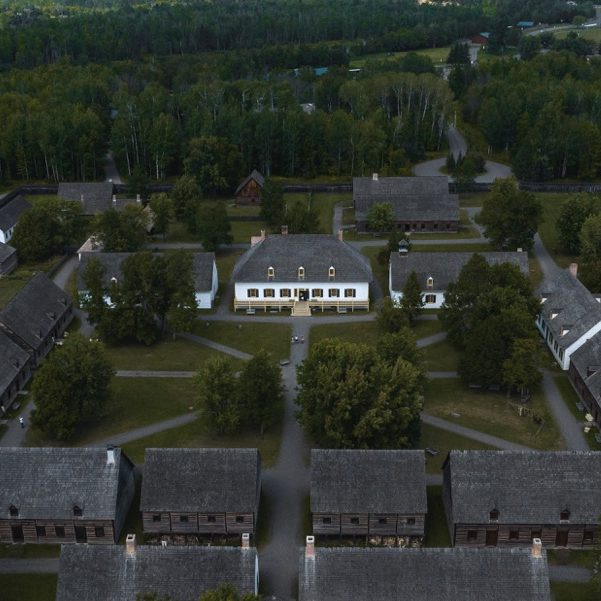
Until the end of the 1700s, the Nor'Westers continued to use the old French route to the west through Grand Portage and the Pigeon River. Grand Portage evolved into a major depot for transhipping goods and furs and became a rendezvous place for Montreal merchants and wintering trading partners.
|
|
Read more...
|
|
|
|